
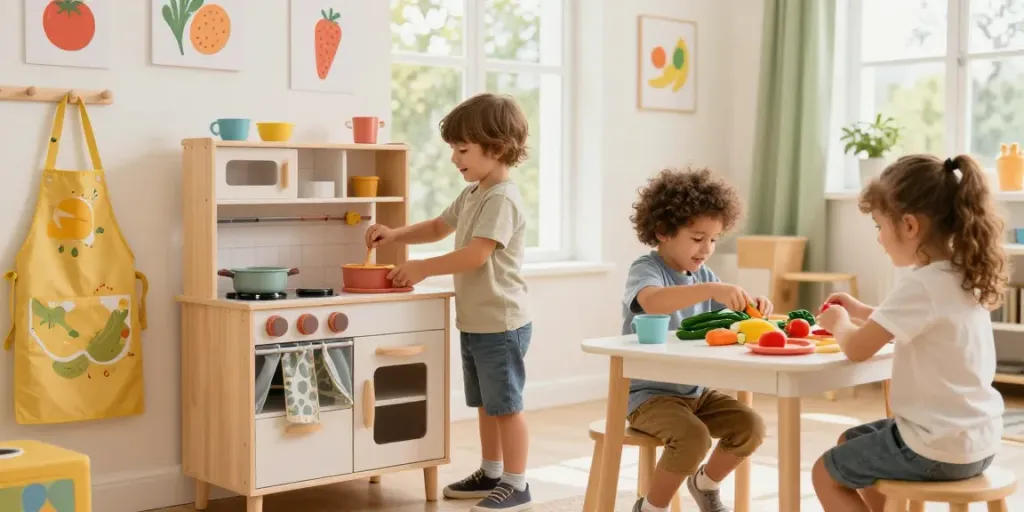
Introduction to Play Kitchens
In a world brimming with technological advances and electronic toys, one item remains a timeless classic—play kitchens. These miniature culinary environments provide children with an engaging way to develop vital life skills while indulging in imaginative play. The act of pretending to cook, clean, and serve can spark creativity, promote social interaction, and even foster an understanding of domestic tasks. As parents and caregivers, choosing the right play kitchen for your child can be a rewarding yet overwhelming task, considering the plethora of options available on the market today. When exploring options, play kitchen sets can provide comprehensive insights into features, styles, and benefits that align with every child's needs.
What is a Play Kitchen?
A play kitchen is a miniature version of a real kitchen, designed for children to engage in role-playing activities. Typically equipped with realistic features such as ovens, stovetops, sinks, and storage, these playsets can significantly enhance a child's playtime experience. Materials can vary from durable plastic to high-quality wood, catering to different aesthetic preferences and budget considerations.
Benefits of Play Kitchen for Child Development
- Fosters Creativity: Children have the opportunity to create their own cooking scenarios, enhancing their imaginative capabilities.
- Promotes Social Skills: When playing together, children learn to communicate, share, and collaborate with their peers.
- Encourages Responsibility: Managing a kitchen setup can teach kids about taking care of their belongings and the concept of responsibility.
- Develops Fine Motor Skills: Manipulating various kitchen tools and accessories enhances dexterity and hand-eye coordination.
- Introduces Basic Math and Reading Skills: Following play recipes or measuring ingredients encourages early learning in a fun, engaging manner.
Choosing the Right Play Kitchen for Your Child
When selecting a play kitchen, consider the following aspects:
- Age Appropriateness: Ensure the kitchen set is suitable for your child’s age group to avoid safety hazards.
- Space Considerations: Measure the available space in your home to ensure the play kitchen fits comfortably.
- Material Quality: Choose a kitchen made from safe, non-toxic materials to guarantee your child's safety during play.
- Features and Accessories: Look for sets that come with various accessories, such as cookware and utensils, to enrich the play experience.
Top Features of Modern Play Kitchens
Interactive Elements that Enhance Learning
Modern play kitchens often come with interactive features, such as lights and sounds that mimic real cooking experiences. These elements not only captivate children's attention but also stimulate learning. For instance, a play kitchen might include a stovetop that lights up and makes sizzling sounds, providing a sensory experience that resembles real cooking.
Material Quality and Safety Considerations
Choosing a play kitchen made from high-quality materials is crucial for durability and safety. Wooden kitchens generally tend to be sturdier and offer a more aesthetically pleasing appearance, while plastic options are lightweight and easy to clean. Always check for safety certifications and ensure that any paint or finishes used are non-toxic.
Design Trends in 2026
As we move towards 2026, play kitchen designs are evolving to reflect modern aesthetics and functionalities. Expect to see more minimalist designs with natural wood finishes, alongside vibrant colours that cater to diverse tastes. Additionally, modular designs that allow for expansion or customization are becoming increasingly popular as parents seek playsets that adapt as their children grow.
Integrating Play Kitchens into Educational Play
Encouraging Imaginative Play and Creativity
Integrating play kitchens into educational play can significantly enhance creativity. Encourage children to invent recipes and create menus, allowing them to express themselves and develop storytelling skills. This imaginative play not only entertains but also works as an educational tool to introduce concepts like nutrition and cooking techniques.
Structured Play vs. Free Play: Finding Balance
While structured play can provide guidelines and foster specific skills, it’s essential to allow for free play. When children are left to their own devices in a play kitchen, they can explore their creativity and imagination without restrictions. Finding a balance between both forms of play can maximise developmental benefits.
Setting Up a Creative Play Space
Creating a dedicated play space for the kitchen can enhance the overall experience. Consider setting up a small area that resembles a real kitchen, complete with utensils, pretend food, and even a table for serving. This encourages role-playing and provides a sense of ownership of their space.
Comparing Popular Play Kitchen Brands
Wooden vs. Plastic Play Kitchens
When considering play kitchens, two primary materials dominate the market: wood and plastic. Wooden kitchens, often praised for their durability and aesthetic appeal, typically offer a more classic look. Conversely, plastic kitchens are lightweight, usually more affordable, and easier to clean. Ultimately, the choice depends on personal preferences and the child’s play needs.
What to Look for in Accessories and Add-ons
Accessories can greatly enhance the play experience. Look for kitchens that come with a variety of cookware, utensils, and pretend food options. Additionally, consider purchasing separate accessory sets if the kitchen doesn’t include them. This can help extend playtime and encourage diverse scenarios.
Customer Reviews and Recommendations
Before making a purchase, it's beneficial to read customer reviews. Feedback from other parents can help highlight the strengths and weaknesses of specific products. Look for insights on durability, ease of assembly, and how much the children enjoy playing with the kitchen.
Future Trends in Play Kitchen Usage
Technology Integration: Smart Kitchens for Kids
As technology continues to advance, we might soon see smart play kitchens that integrate app connectivity. These kitchens could allow kids to interact with cooking games or educational apps that teach culinary skills, enhancing both fun and learning.
Environmental Impact of Sustainable Materials
With increasing awareness around environmental sustainability, it's essential to consider the ecological impact of play kitchens. Brands are beginning to use sustainable materials and eco-friendly practices in their manufacturing, allowing parents to make environmentally conscious decisions while ensuring their children enjoy safe toys.
Predictions for Play Kitchen Features in 2026 and Beyond
Looking ahead, we can expect play kitchens to feature even more interactive elements, including augmented reality experiences and integration with smart home devices. Such advancements will not only elevate the play experience but also align children's play with the reality of modern-day kitchens.
What Age is Best for a Play Kitchen?
Play kitchens are typically suitable for children aged 2 and above. At this age, children start engaging in imaginative play and can benefit from the role-playing aspects of kitchen sets. However, older children can also enjoy them, particularly as they incorporate more intricate scenarios.
How Much Does a Play Kitchen Cost?
The price of play kitchens varies widely depending on the brand, materials, and features. Basic plastic models might cost as little as £30, while high-quality wooden options can range from £100 to £300 or more. Investing in a durable kitchen can pay off in the long run as it withstands the rigours of play.
Is it Worth Getting a Play Kitchen?
Absolutely! The benefits of play kitchens—ranging from fostering creativity to teaching life skills—make them a valuable addition to any child's toy collection. With careful consideration regarding features and quality, a play kitchen can serve as a long-lasting educational tool that entertains and engages.