
Understanding Retinal Disorders
Retinal disorders encompass a range of conditions that adversely affect the retina, the light-sensitive tissue located at the back of the eye. These disorders can lead to serious consequences, including vision loss and blindness, making it essential for patients to understand their options for effective management. When exploring options, retinal disorder treatment options are vital to preserving vision and enhancing quality of life.
What Are Common Types of Retinal Disorders?
Several retinal disorders vary widely in terms of causes, symptoms, and treatment approaches. The most prevalent types include:
- Diabetic Retinopathy: This condition occurs in individuals with diabetes, where high blood sugar levels damage the retinal blood vessels, leading to vision impairment.
- Age-related Macular Degeneration (AMD): AMD affects the center of the retina (macula) and can cause blurred or distorted central vision, particularly in older adults.
- Retinal Detachment: A serious condition where the retina separates from the underlying tissue, resulting in vision loss if not treated promptly.
- Retinitis Pigmentosa: A group of genetic disorders that lead to the gradual degeneration of the retina, often causing night blindness and peripheral vision loss.
- Macular Holes: These are small breaks in the macula leading to distortion or loss of central vision.
Symptoms and Diagnosis of Retinal Issues
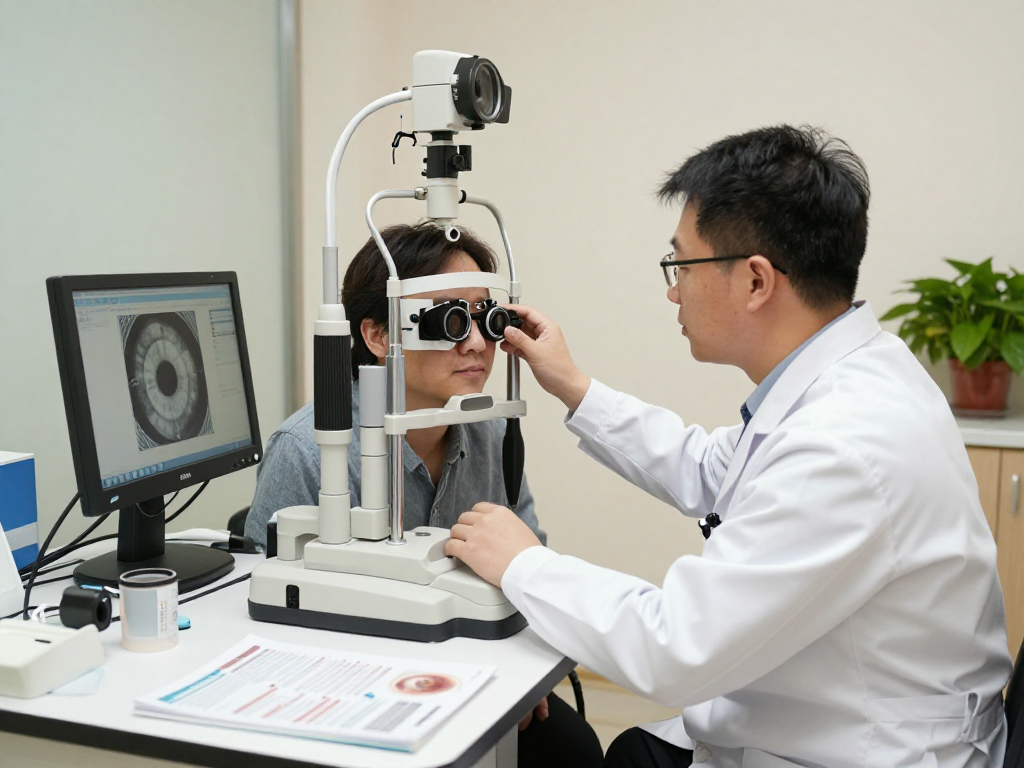
Individuals experiencing retinal disorders may notice various symptoms, including blurred vision, floaters, flashes of light, and sudden vision loss. Regular eye examinations are crucial for early detection of retinal issues. Ophthalmologists use a variety of diagnostic tests, including:
- Fundus Photography: Captures detailed images of the retina to identify abnormalities.
- Optical Coherence Tomography (OCT): Provides cross-sectional images of the retina, aiding in the diagnosis of conditions like macular degeneration.
- Visual Field Testing: Assesses peripheral vision, helping to identify any loss associated with retinal diseases.
How Retinal Disorders Impact Vision
The impact of retinal disorders on an individual's vision can range from minor disturbances to total blindness. Conditions such as diabetic retinopathy may initially present few symptoms before leading to significant vision loss. In contrast, AMD primarily affects central vision, which can dramatically hinder activities such as reading and driving. Therefore, understanding the potential consequences of retinal disorders is vital for patients and their healthcare providers.
Innovative Retinal Disorder Treatment Options
Overview of Current Treatment Techniques
Across the landscape of retinal disorder treatment, several approaches are currently employed, tailored to the specific condition and severity:
- Laser Therapy: Utilized for conditions like diabetic retinopathy, this technique helps to seal leaking blood vessels and prevent further vision loss.
- Injections: Anti-VEGF medications are injected into the eye to combat diseases such as AMD, reducing abnormal blood vessel growth and leakage.
- Vitrectomy: A surgical procedure that removes vitreous gel from the eye, often used in cases of retinal detachment or severe diabetic retinopathy.
- Pharmaceutical Treatments: New medications are continually under research and development, aimed at addressing the underlying causes of retinal disorders.
Emerging Therapies in 2026
As we look toward 2026, the horizon for retinal disorder treatments is promising with numerous emerging therapies. Some of the most anticipated advancements include:
- Gene Therapy: Potentially revolutionary, gene therapy aims to correct or replace defective genes that cause inherited retinal diseases.
- Stem Cell Therapy: This therapy holds promise for regenerating damaged retinal cells, particularly in conditions such as retinitis pigmentosa.
- Wearable Technology: Devices that enhance vision may soon be capable of integrating AI, providing real-time adaptations for individuals with visual impairments.
Comparative Effectiveness of Treatment Methods
Determining the most effective treatment for retinal disorders often involves a comparative analysis of available options. Clinical trials and data analysis play a crucial role in understanding the efficacy of various treatments:
- Effectiveness of Anti-VEGF Injections vs. Laser Therapy: Studies suggest that while laser therapy is effective for some patients, anti-VEGF injections have shown superior outcomes in terms of vision preservation in AMD cases.
- Long-term Outcomes of Vitrectomy: Research indicates that vitrectomy can lead to improved visual function, particularly in patients with retinal detachment.
Personalized Approaches to Treatment
Importance of Tailored Treatment Plans
Personalization in ophthalmic care is increasingly critical, as no single treatment fits all. Tailored treatment plans consider the unique characteristics of each patient's condition, age, overall health, and personal preferences. By customizing strategies, healthcare providers can optimize outcomes and enhance patient satisfaction.
Factors Influencing Treatment Decisions
Several factors influence treatment decisions for retinal disorders, including:
- Severity of the Condition: More advanced stages of retinal diseases may necessitate more aggressive intervention.
- Patient Health History: Comorbidities, such as hypertension or diabetes, can affect which treatment options are most appropriate.
- Patient Lifestyle: Consideration of how a treatment will impact a patient's daily activities and quality of life is critical.
How Patient History Shapes Retinal Care
Patient history is a vital component in shaping treatment plans for retinal disorders. A comprehensive medical history helps ophthalmologists predict potential complications and tailor treatment strategies accordingly. For instance, patients with a family history of retinal diseases may require more frequent monitoring and proactive measures.
Accessing Quality Eye Care Services
Finding Reputable Eye Clinics and Specialists
Access to high-quality eye care services is paramount for effective management of retinal disorders. Patients should seek clinics with experienced specialists and advanced technology. Online platforms allow for reviews and comparisons of local clinics, ensuring that patients can find reputable providers.
Insurance and Financial Considerations
Understanding insurance coverage and financial responsibilities is essential in accessing treatment for retinal disorders. Patients should familiarize themselves with their policies to maximize benefits and minimize out-of-pocket expenses. Many clinics offer financial counseling to assist patients in navigating their options.
Telehealth Options for Eye Care in 2026
As telehealth becomes more integrated into healthcare, remote consultations with eye care specialists are increasingly common. By 2026, it's expected that patients will have greater access to teleophthalmology services, allowing for initial assessments and follow-up care without the need for in-person visits. This will be particularly advantageous for those residing in remote areas.
Future Trends in Retinal Disorder Management
Technological Advancements in Eye Care
The future of retinal disorder management is heavily influenced by technological advancements. Innovations such as AI-driven diagnostic tools and enhanced imaging technologies are set to revolutionize how retinal diseases are detected and managed. These technologies will facilitate earlier diagnoses and more effective, personalized treatment plans.
Patient Education and Awareness Initiatives
Increasing patient education and awareness is crucial for the effective management of retinal disorders. Initiatives aimed at informing patients about risk factors, symptoms, and available treatment options can empower individuals to seek timely care and adhere to their treatment plans.
Expected Developments in Research
Continuous research is expected to yield significant advancements in the understanding and treatment of retinal disorders. Ongoing clinical trials will likely foster the development of new medications and therapies, making it imperative for patients and healthcare providers to stay informed about emerging treatment options.
What Are Key Indicators for Treatment Success?
Key indicators of treatment success in retinal disorder management include:
- Improvement in Visual Acuity: The primary goal of treatment is to stabilize or enhance vision.
- Reduction in Symptom Severity: Monitoring changes in symptoms, such as floaters or blurred vision, can indicate treatment efficacy.
- Patient-reported Outcomes: Patients’ perspectives on their vision quality and life satisfaction are essential metrics for evaluating treatment success.
How Will AI Shape Retinal Health Care by 2026?
By 2026, artificial intelligence is expected to have a transformative impact on retinal healthcare. AI algorithms will likely enhance diagnostic accuracy, enable predictive analytics for patient management, and streamline workflows in ophthalmic practices. This technology promises to make eye care more efficient and effective, ultimately improving patient outcomes.